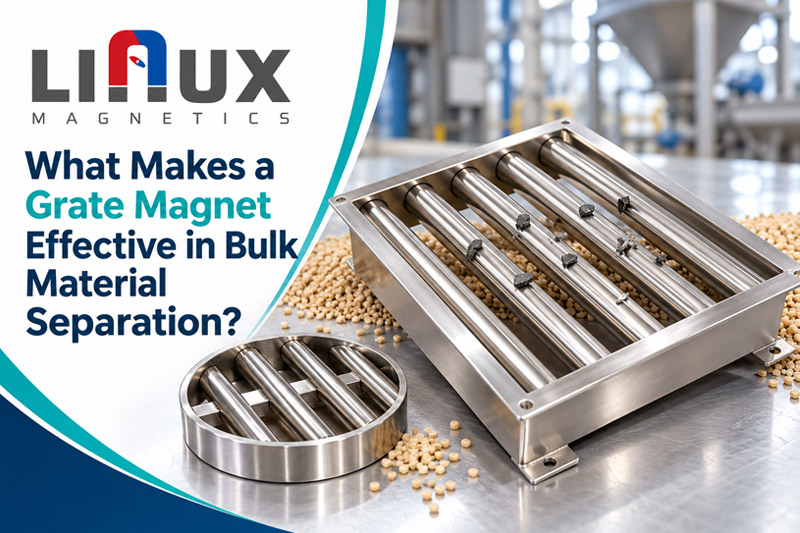

Seed cleaning is one of the key processes in agriculture. Harvested seed can be contaminated with dust, chaff, soil, stones, damaged seeds and other debris. These impurities will impact storage, handling, grading and product quality if they are not removed. Processing plants need cleaning equipment that matches their crop type and production requirements.
Buying a machine alone does not guarantee good results. Performance is affected by feed consistency, seed characteristics, equipment settings and maintenance. Selecting a seed cleaning machine begins with understanding the material being cleaned and the level of cleaning that the business is looking to attain. Linux Magnetics supports industrial separation needs with magnetic and vibrating equipment.
Key Factors That Affect Seed Cleaning Performance
1. Type and Condition of Seeds
Crops differ physically. Seeds have different sizes, shapes, weights, surface textures and moisture levels. A technique that works well for one crop may not be effective for another. Determine the varieties of seed being processed and evaluate their impurities. Keep in mind whether the machine will be used for a single crop or for multiple varieties during the year.
2. Moisture Content
Moisture influences the movement of seeds through cleaning equipment. Damp material can clump, and uneven moisture can affect feeding and separation. The suitable moisture content varies according to the crop and the processing stage.
Check incoming material and follow suitable drying and storage practices.
3. Feeding Rate and Capacity
The amount of material fed to the machine has a direct impact on how effectively impurities are separated. A feed rate that is too high can cause seed overlap or push material too quickly across the cleaning area, leaving unwanted material in the product.
The aim is to balance throughput and cleaning quality. When assessing a seed cleaner, compare the recommended machine size with production requirements, seasonal demand, working hours and future expansion plans. A steady, controlled supply from a vibro feeder can help keep the feed consistent.
4. Types of Impurities
Dust, husks, stones, soil and metal pieces can be present in seed batches. No single separation process can remove every impurity from every sample at the same time.
- Screens separate material by size.
- Density-based systems separate heavy material from light material, for example a magnetic destoner.
- Magnetic equipment uses magnetic properties to remove suitable magnetic contaminants.
This is why some plants need more than one cleaning stage rather than a single machine.
5. Machine Settings
Wrong settings can reduce cleaning quality and cause unnecessary seed loss. Screen opening, vibration, air movement and feed distribution should be matched to the crop and the impurity load.
Operate equipment according to the manufacturer’s directions and adjust settings based on material testing. Monitor the cleaned output regularly, rather than assuming that the settings used in the first production run will suit the rest of the production.
6. Maintenance and Inspection
Dust accumulation, worn components, broken screens and loose connections can all affect performance. Regular checks help identify problems before they cause significant disruption. Cleaning schedules should be consistent with the material and the manufacturer’s recommendations.
Choosing Equipment for Your Plant
Analyse compatibility with your crops, capacity and cleaning requirements, access for maintenance, installation space and operating costs. Ask suppliers about spare parts, operator training and performance in your operating environment. Testing representative samples before purchase can help confirm whether a proposed system meets expectations.
The selection of an appropriate seed cleaning machine should be based on the crop, impurity profile and required output quality rather than on cost alone. A good system match can help processing plants maintain more consistent output and supports better planning.
Why Choose Linux Magnetics?
Linux Magnetics offers magnetic equipment and vibrating equipment for industrial separation and processing applications. Its range of vibrating screens and magnetic separation machines can be used in seed-cleaning applications. Please confirm with the company, as different machines are used for different separation processes.
Conclusion
The efficiency of seed cleaning is determined by the nature of the material, feed rate, impurity types, machine settings and maintenance. Reviewing all these elements helps a plant choose the right seed cleaning machine for its operations. Linux Magnetics provides separators and screening machines for businesses.
To discuss your seed-processing requirements and identify suitable equipment, please contact us.