Stone Separator, Mud Ball Separator for Grains | How Do I Choose?
Stones, mud balls, iron and other contaminants are found in grains, pulses and spices. Learn how stone and mud ball separators work and how to choose the right one.


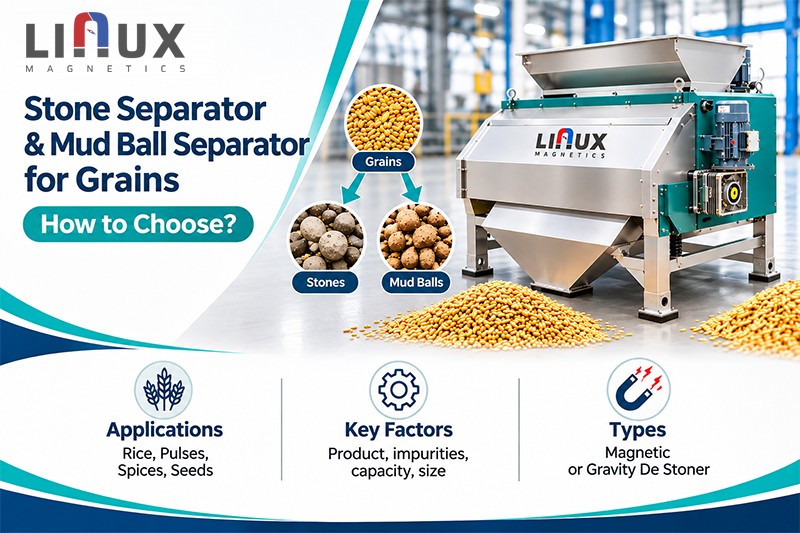
Stones, mud balls, iron and other contaminants are found in grains, pulses and spices. Learn how stone and mud ball separators work and how to choose the right one.
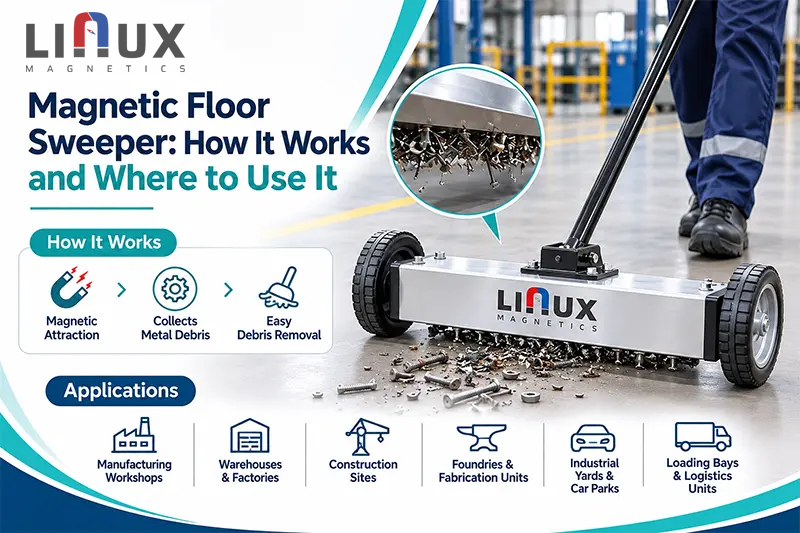
A magnetic floor sweeper can help clear waste ferrous iron and steel debris from industrial floors. See how it works, where it is used and how to choose the right sweeper.
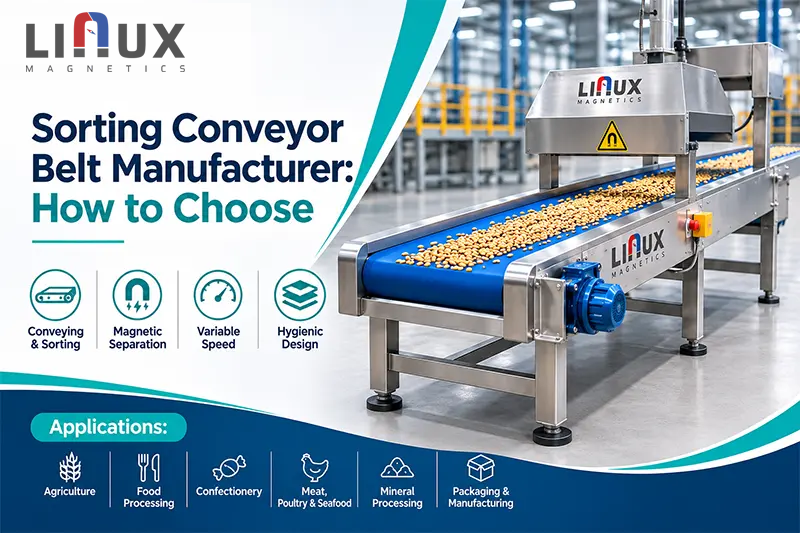
A sorting conveyor belt is an integral part of production, food-processing and material-handling applications. Learn the types and how to choose the right belt and manufacturer.
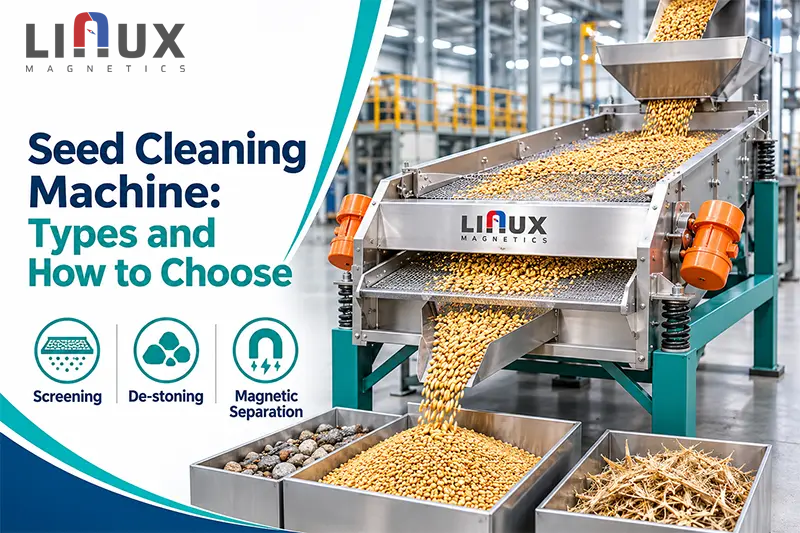
After harvest, the seeds may contain impurities such as dust, chaff, stones, broken seeds and more, which affect quality, storage and processing. Learn the types of seed cleaning machines and how to choose the right one.
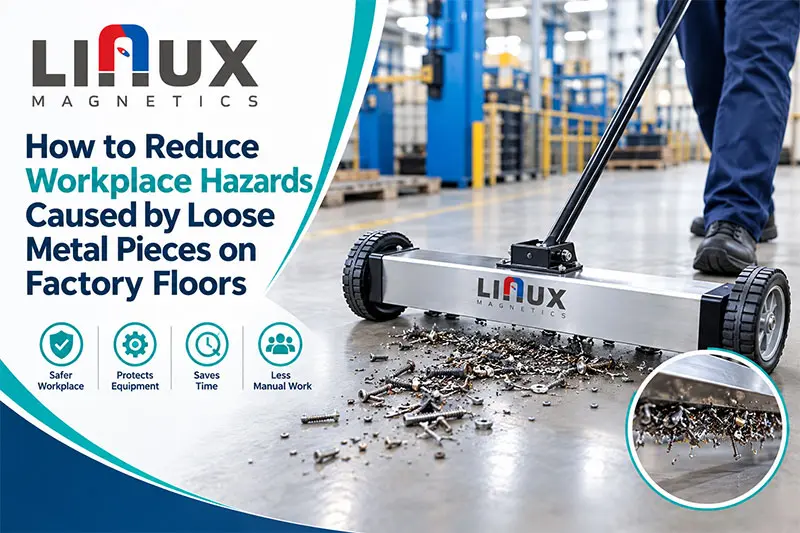
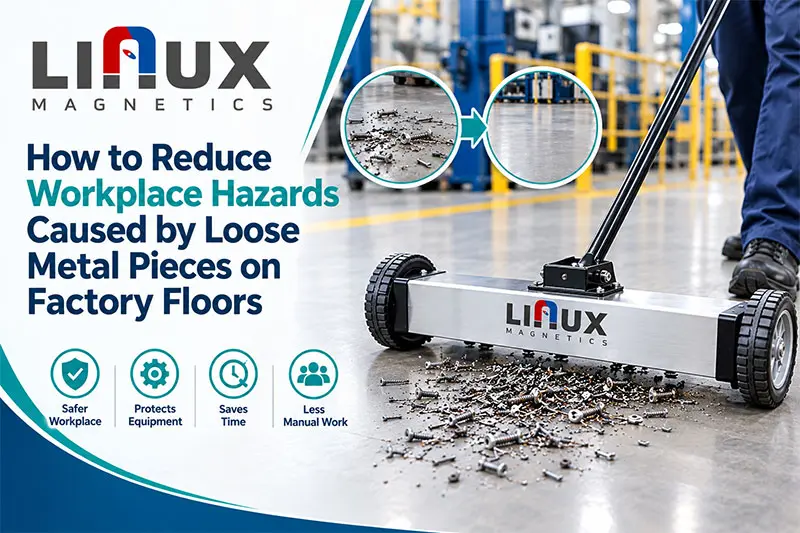
Small metal particles like nails, screws, iron filings and wire fragments are common on factory floors. They may look harmless, but they pose a danger to employees and can damage equipment and disrupt normal activities.
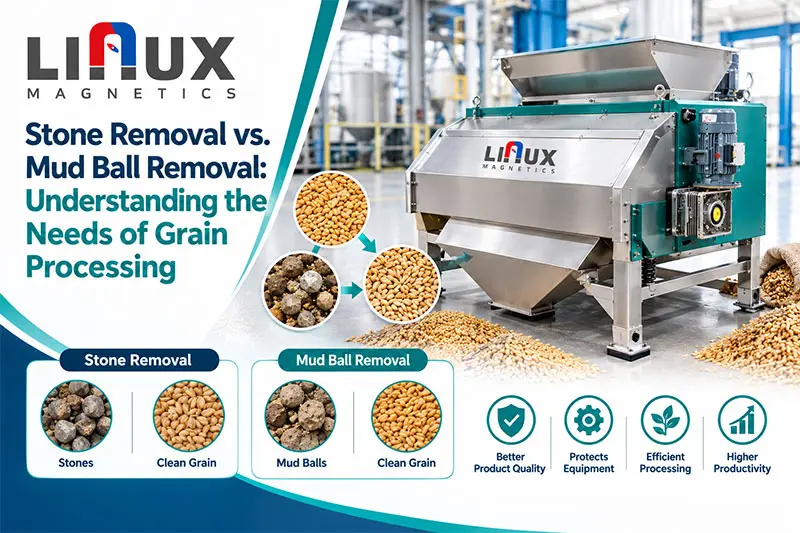
Stones and mud balls may look similar at first glance, but the characteristics and methods needed to separate them can be different. Learn how grain processors can evaluate stone and mud ball removal.
Processing plants handle huge amounts of raw material every day. If sorting is delayed or inaccurate, usable food can be thrown away, damaged or mixed with unwanted elements. See how sorting conveyors help.
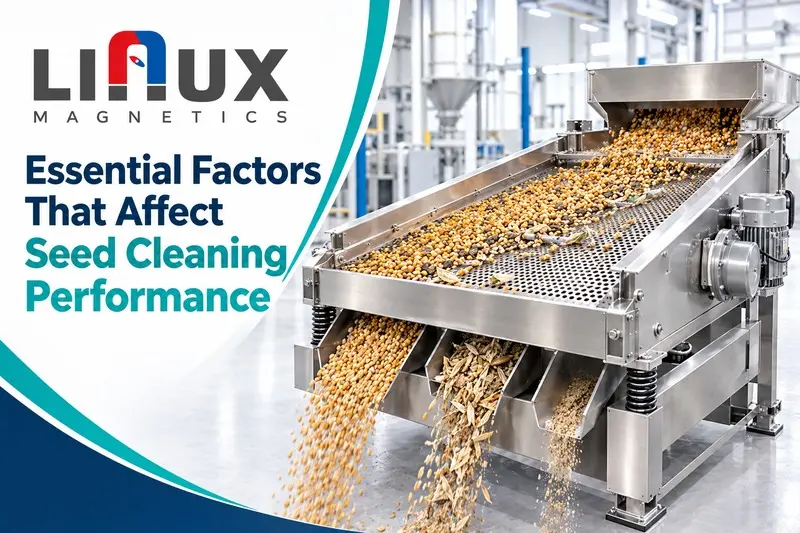
Seed cleaning is one of the key processes in agriculture. Harvested seed can be contaminated with dust, chaff, soil, stones, damaged seeds and other debris that affect storage, handling, grading and product quality.
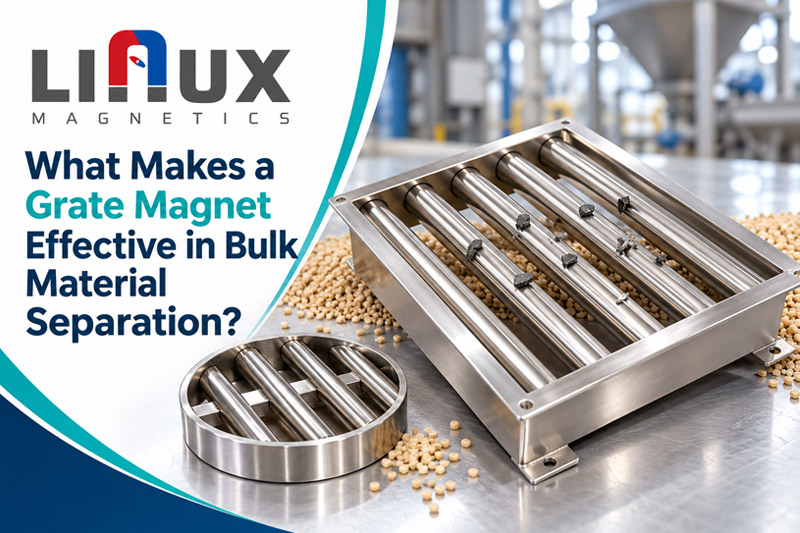
Bulk material processing commonly consists of powders, granular materials, minerals, chemicals, ingredients of food products, plastic, and other such materials that flow freely. In the process of handling and processing, even tiny amounts of ferrous particles can get into the material stream, posing a risk to the quality of the end product or damaging equipment at a later stage.

In food processing and grain handling, eliminating mud balls, stones, and heavy contaminants is crucial. Discover how high-intensity magnetic destoners compare to standard air-gravity destoners.

Modern material processing lines depend on one important factor: consistent and controlled material flow. Whether a plant handles minerals, quartz, cement, glass, chemicals, food products, or other bulk materials, moving material from one stage to another at a controlled rate can directly affect production efficiency and process stability.
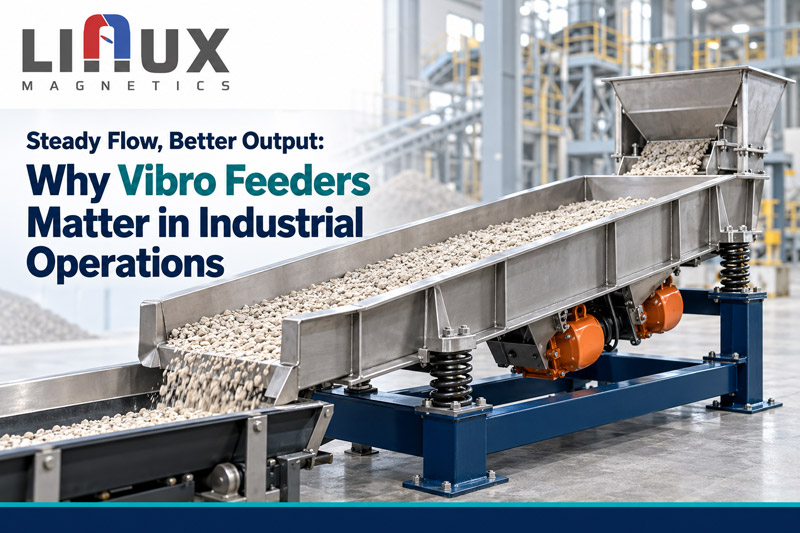
In modern industrial plants, a constant supply of raw materials is key to making sure that production runs efficiently. In case the plant deals with minerals, cement, chemicals, glass, food items, quartz, or any other bulk materials, an irregular feeding can impact downstream equipment and production efficiency.


